
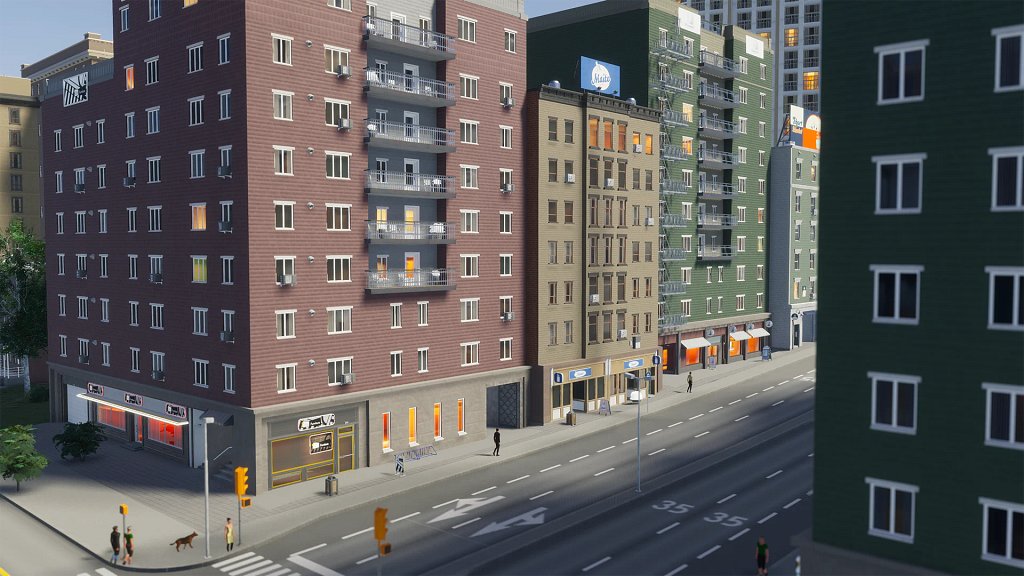
How to Get High Density Residential Demand in Cities: Skylines 2
To increase high-density residential demand in Cities: Skylines 2, your city needs to attract more students, single-person households, and lower-wealth residents.
Residential density demand is based largely on household wealth and size. Wealthier families generally prefer larger low- or medium-density homes, while students, singles, and lower-wealth households are more likely to choose smaller apartments in high-density buildings.
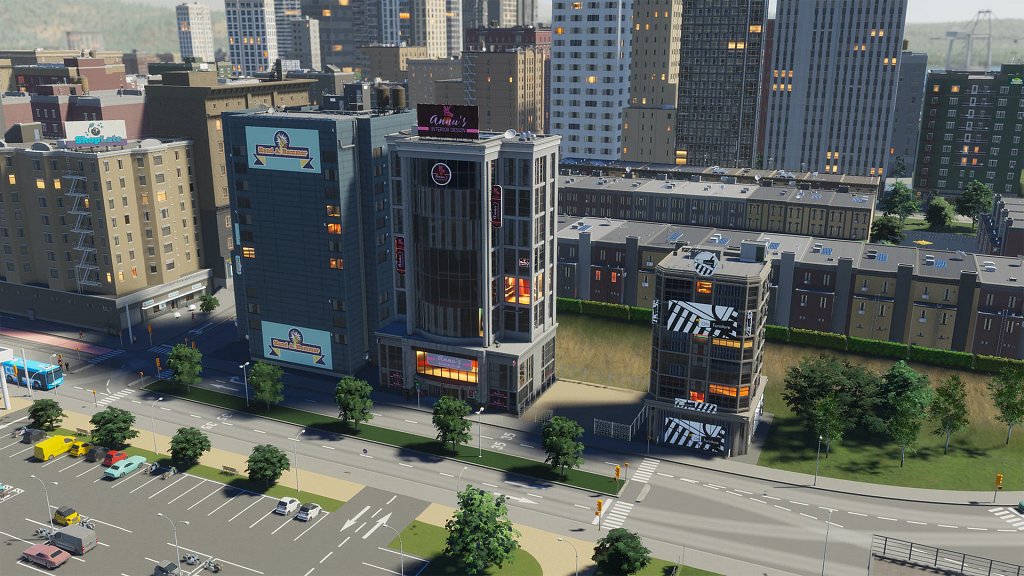
Check the Demand Factors First
Open the City Information panel beside the demand bars and inspect the residential demand factors.
Household spawning is affected by:
- Available jobs
- Education capacity
- Residential taxes
- Average happiness
- Homelessness
- Existing vacant homes
Guide
1. Add College or University Capacity
Students are one of the clearest sources of high-density residential demand.
Available education spaces affect which households move into the city, and students generally have lower wealth and smaller households. Those characteristics make high-density apartments more suitable for them.
Both teens and adults can attend college, while adults can attend university.
Check whether your existing colleges or universities are full. If your city can afford the upkeep, adding more higher-education capacity can attract additional student households.
This will not necessarily create demand instantly. The simulation still needs time to generate new households and move them into the city.
2. Create More Available Jobs
Open jobs increase residential demand because workers need somewhere to live.
Industrial, commercial, and office businesses can all create job openings that attract new citizens. However, high unemployment has the opposite effect and lowers residential demand.
Match new jobs to the education level of the workforce:
- Industrial businesses generally require more lower-education workers.
- Higher-level commercial and office businesses increasingly require educated workers.
- Citizens can fill jobs at their education level or below.
Jobs increase the number of incoming households. Whether those households prefer high-density housing still depends on their wealth and household size.
3. Allow Empty Homes to Fill
A large number of unoccupied homes reduces residential demand.
If you previously zoned a large amount of residential land, your city may already have more housing than it needs. High-density demand will remain low while vacant apartments are available for incoming residents.
Check existing apartment buildings for vacancies before adding more zoning.
Your population may continue increasing even with an empty demand bar because new residents are moving into homes that have already been built.
4. Keep Residential Taxes Reasonable
Residential tax rates affect which households are willing to move into your city.
There is no officially documented “perfect” tax rate for creating high-density demand. Use the demand-factor panel instead of relying on a fixed number.
If residential taxes appear as a negative demand factor, lower them gradually and allow the simulation to react. Taxes influence household spawning overall; they do not directly force households to choose towers instead of other housing.
5. Maintain Citizen Happiness
Average happiness also affects the households generated by the simulation.
Reliable electricity, clean water, sewage treatment, garbage collection, safety, healthcare, suitable housing, and protection from pollution all contribute to citizen well-being.
You do not need every possible service building. Focus on fixing major citywide problems that are visibly reducing happiness.
Higher happiness can help attract more households, but the preferred density will still depend on the wealth and size of those households.
6. Give the Simulation Time
Residential demand may take time to react after you:
- Add a college or university
- Create new jobs
- Change residential taxes
- Fix unemployment
- Increase happiness
- Add or remove housing
The updated residential-demand system can cause citizens to seek different housing types or relocate as the city recalculates.
Make one major change, allow the simulation to run, and then check the demand factors again.
Quick Checklist
To increase high-density residential demand:
- Open the detailed residential demand factors.
- Provide available college or university spaces.
- Create jobs that match your citizens’ education levels.
- Reduce unemployment.
- Allow vacant apartments and homes to fill.
- Adjust residential taxes if they are suppressing demand.
- Fix major happiness or homelessness problems.
- Let the simulation recalculate.
TLDR;
High-density residential demand rises when your city attracts more students, singles, and lower-wealth households.
Higher education is the most direct way to attract student households, while open jobs, reasonable taxes, happiness, and available housing determine whether more citizens move into the city at all.
Create the right household mix, avoid excess vacant housing, and give the simulation time to respond.